
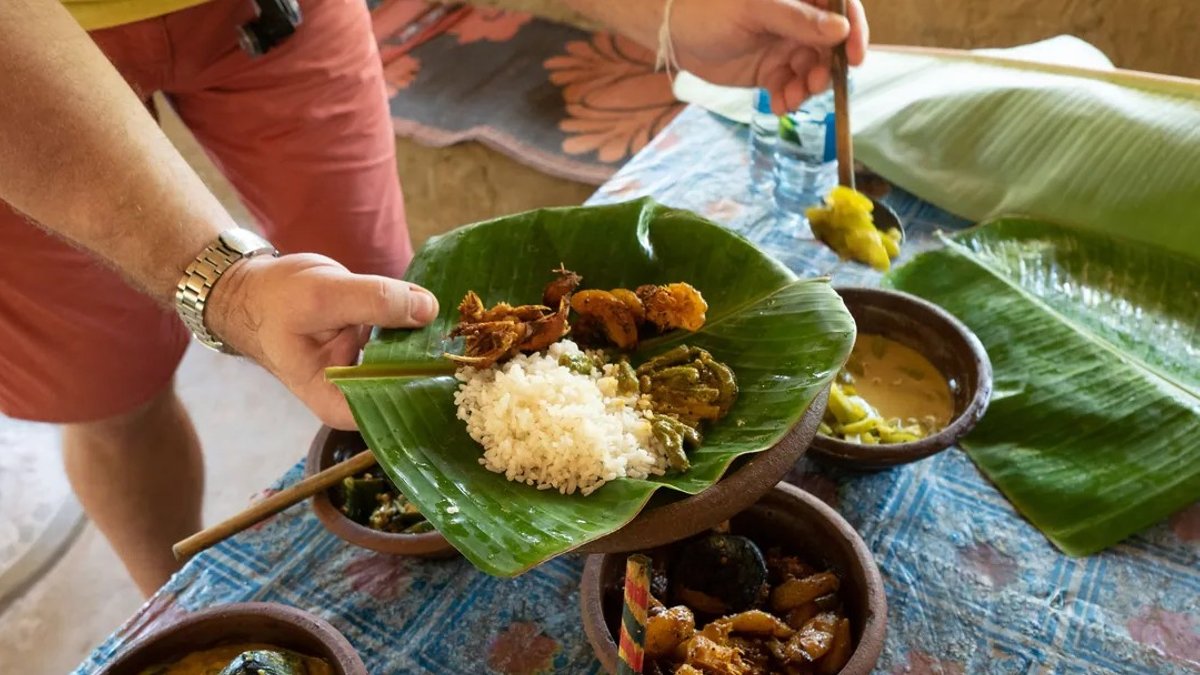
The World Diet Initiative has launched a global project to document traditional diets before Western-style eating habits replace them completely. A team of researchers from 12 countries will examine heritage diets in Maasai, Ethiopian, and Indian communities. These historical diets have been linked to lower rates of chronic illnesses like diabetes. The team clarifies that this project is not a nostalgic call to the past but a scientific effort to understand how these foods shape health.
The initiative plans to map heritage diets using a tool called the World Diet Atlas. This resource will detail the foods involved and how they are sourced, prepared, and eaten. The data will be made freely available. The researchers emphasize that local partners will lead the initiative and retain ownership of the work.
Related: Beckham firm gets billion dollar funding boost
Different communities follow distinct dietary patterns. Maasai communities in East Africa consume diets rich in animal products, including milk, meat, and blood. Ethiopian diets are mostly plant-based, relying on pulses, vegetables, and grains that are often fermented. Indian diets use various spices, while Pacificans commonly consume fish, taro, and coconut. The researchers note that these diets affect the body, immune system, metabolism, and microbiome in unique ways.
Testing the science
The World Diet Project will study the biological effects of these heritage diets using consistent methods. This approach allows for comparing findings across different populations. The founders’ recent research offers a peek into how analyzing heritage diets can reveal insights into how foods shape health.
A trial in the Kilimanjaro region of Tanzania revealed that men who swapped a local heritage diet for a processed Western-style diet experienced increased inflammation and biological changes linked to chronic disease within just two weeks. Meanwhile, participants who swapped the processed Western diet for a heritage diet or drank a traditional fermented millet-and-banana drink saw reduced inflammatory markers. This pattern mirrors broader trends in public health, where the rapid adoption of processed foods has often preceded a rise in metabolic disorders in populations transitioning to modern diets. By contrast, the preservation of these traditional eating patterns in some regions suggests that the body may adapt differently to sustained exposure to whole, unprocessed ingredients.
Related: A wonderful alternative to plastic containers
Initiative co-lead Quirijn de Mast of Radboud University Medical Center in the Netherlands comments on the value of this work. “These diets are not a blueprint for healthy eating, but they are biologically and culturally unique,” he said. “Food influences our health in many ways and plays an important role in preventing disease.”
De Mast concludes that the initiative will help translate insights from heritage diets into health benefits for people worldwide. The project aims to help prevent chronic diseases and better understand how nutrition shapes immune function and vaccine responses.


