
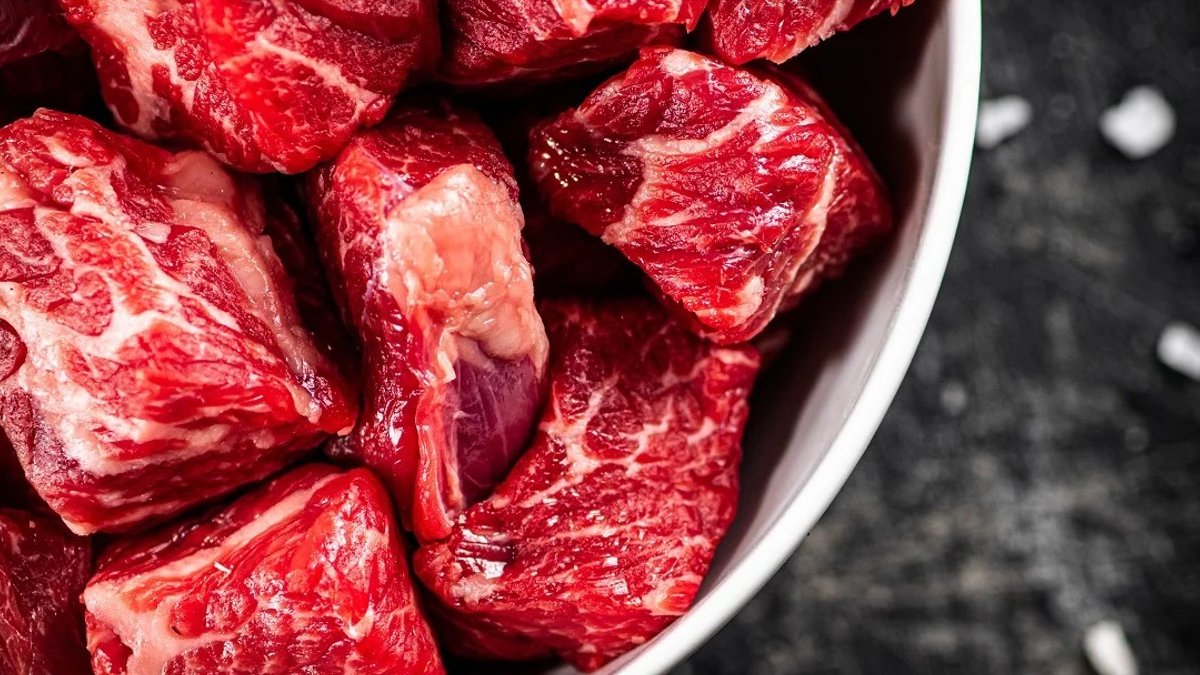
A recent study using mouse models offers new insight into how red meat could worsen inflammatory bowel disease (IBD), while plant-based proteins may help protect the gut.
Scientists at Stony Brook University found that mice fed beef protein isolates developed the most severe intestinal inflammation. Those fed pea protein, by contrast, showed only mild symptoms. The findings point to the role of gut microbes and bile acids in mediating the damage.
The research, published in Cellular and Molecular Gastroenterology, tested protein isolates from beef, egg whites, casein, soy, and pea in both chronic and acute IBD mouse models. Mice were first colonized with gut microbes from human IBD patients, then fed one of the diets for 14 days. The team used 16S sequencing to track microbial changes and ran additional experiments with antibiotic‑depleted and germ‑free mice to confirm that the effects were microbially driven.
What the mouse data shows about protein and inflammation
David Montrose, an assistant professor at Stony Brook’s Department of Pathology and director at its School of Medicine, told Nutrition Insight that the team is still investigating the exact mechanism. “We hypothesize that either the amino acid composition or the particular peptides that reach the colon after digestion could be playing a role,” he said.
Beef protein’s effect on colitis depended on gut microbes. In the absence of colitis, beef protein feeding reduced the abundance of beneficial bacteria such as Lactobacillus johnsonii and Turicibacter sanguinis. At the same time, beef‑fed mice accumulated more harsh, irritating bile acids in the gut. Pea protein kept those bile acid levels low.
Related: Study Links Leaky Gut to Brain Health
IBD cases have risen in the U.S. and worldwide over recent decades alongside higher consumption of animal protein, including red meat. Earlier studies linked red meat to greater risk of developing or relapsing IBD, but the biological reasons were unclear.
Dietary fiber and casein also played a role
The researchers also tested whether dietary psyllium, a type of fiber, could blunt the damage. It did: psyllium helped protect against beef protein–mediated inflammation, partly by restoring bile‑acid‑modulating good bacteria and normalizing bile acid ratios.
Casein — an animal‑derived protein — appeared to be less harmful than beef. “Since casein is animal‑derived, these findings hint at the fact that the differential effects of protein source on gut inflammation may go beyond simply categorizing them by plant versus animal,” Montrose noted.
According to the study authors, the results could inform future dietary guidance aimed at reducing disease risk and severity.


