
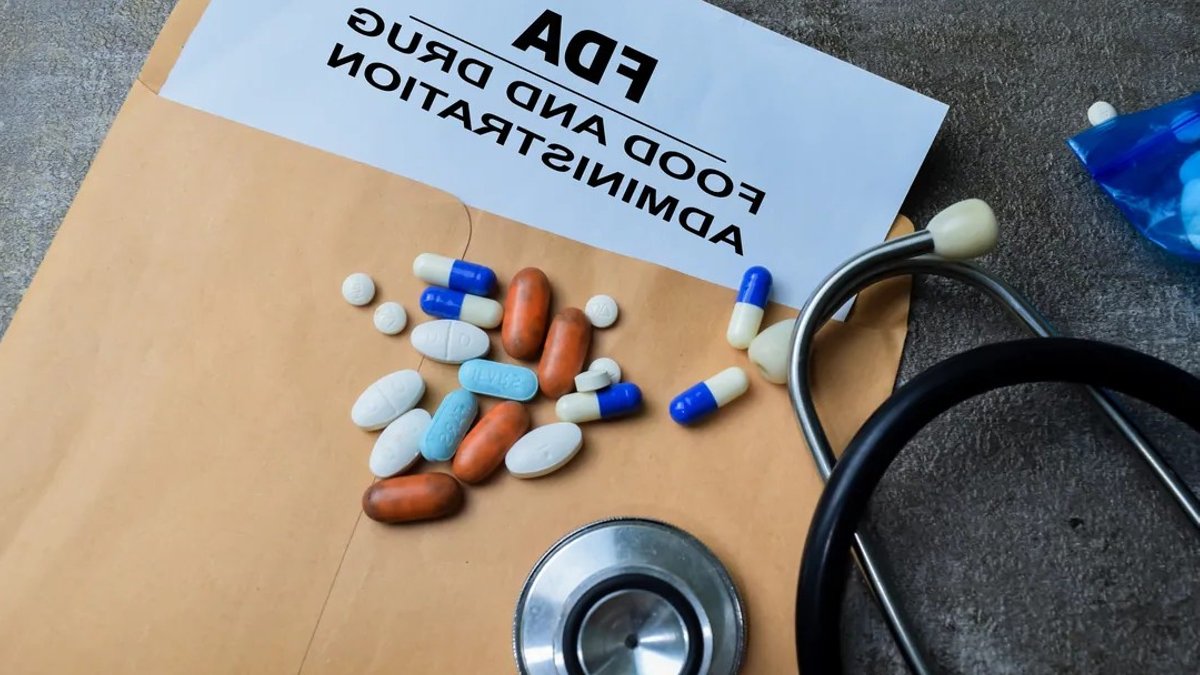
The American College of Physicians wants the United States to tighten its rules on dietary supplements, arguing that the current system leaves consumers exposed to harmful products. In a new position paper published in the journal Annals of Internal Medicine, the group calls for a modernized regulatory framework that would require supplements to be registered with the Food and Drug Administration before they hit the market.
Supplements in the U.S. are governed by the Dietary Supplement Health and Education Act of 1994. The law defines them as products intended for ingestion that contain a dietary ingredient — vitamins, minerals, amino acids, botanicals — meant to supplement the diet. The physicians argue that the law has not kept up with the market.
Since DSHEA was enacted, the number of supplements on the market has grown exponentially, the group notes. Online sales and complex global supply chains have created a commercial environment that barely resembles what existed 30 years ago. They warn that a “skewed public perception” of how safe and effective these products are, combined with how few people tell their doctors they are taking them, puts consumers at risk.
Related: Lab Diamonds where to start looking?
As a subcategory of food, dietary supplements are not required to undergo FDA review and approval before they are sold. The ACP calls this an “inadequate regulatory framework” that has allowed adulterated and mislabeled products to reach store shelves. Some products — mainly vitamins and minerals — have been tested for safety and efficacy and may help people get essential nutrients. The College says “many others” lack strong scientific backing.
The group is urging Congress to amend DSHEA so that supplements must go through an evidence-based review, registration, and premarket approval with the FDA. It also wants them to meet quality standards set by the U.S. Pharmacopeia. The ACP says the FDA should get enough funding and resources to actually oversee supplement manufacturing, quality, safety, and labeling, and it backs stronger postmarket surveillance authority for the agency.
One specific recommendation: give the FDA the power to bypass voluntary recalls. “Amending DSHEA to give the FDA the authority to bypass voluntary recall when notified of adverse events or mislabeled products would allow the FDA to more quickly remove adulterated or mislabeled supplements from the market and shift the burden of proof to manufacturers to demonstrate that their product is safe and accurately labeled before returning to market,” the paper states.
A product category that more than half of U.S. adults use regularly operates under a legal framework designed before the internet existed. The group wants Congress to address that disconnect.
Related: Why buy a good scale?
The Federal Trade Commission currently regulates dietary supplement advertising. The ACP supports giving the FTC the resources it needs to monitor marketing, especially on social media.
To help consumers make informed choices, the College is pushing the FDA to create a national, public, searchable database of supplements. It would include information on products, ingredients, and scientific research on health impacts and drug interactions.
Only about a quarter of users take products that were recommended by a health care professional. Recent research shows that supplement use in the U.S. rose from 51% in 1999 to 60% in 2023.


