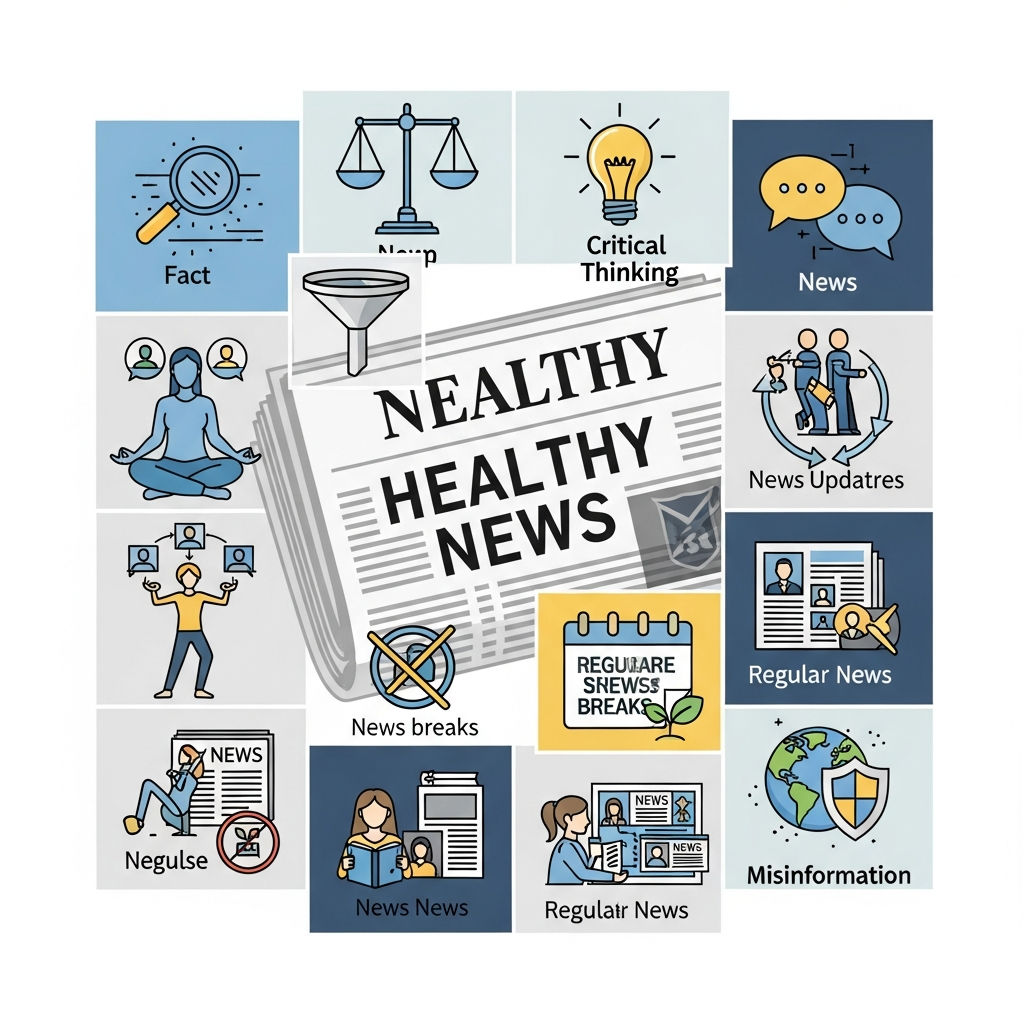
14 Effective Tips to Improve Your Healthy News
In an era where information travels at the speed of light, health news has become one of the most consumed forms of digital content. However, with the rise of misinformation and “fake news,” creators of health-related content face a significant challenge: how to provide value while maintaining high standards of accuracy and engagement. Whether you run a wellness blog, a medical newsletter, or a health-focused news site, improving the quality of your “healthy news” is essential for building trust and authority.
Google’s search algorithms place a high priority on YMYL (Your Money or Your Life) content. Because health information can directly impact a person’s well-being, the bar for quality is much higher than in other niches. To help you navigate this landscape, here are 14 effective tips to improve your healthy news and grow your audience.
1. Prioritize Peer-Reviewed Sources
The foundation of any credible health news piece is its source material. To improve the integrity of your content, always look for studies published in reputable, peer-reviewed journals such as The Lancet, JAMA, or The New England Journal of Medicine. Avoid relying on secondary press releases that may sensationalize findings. By citing primary research, you provide your readers with the most accurate data available.
2. Simplify Complex Medical Jargon
While your sources should be scientific, your delivery should be accessible. The average reader is not a medical professional. To improve your healthy news, practice the art of “translation.” Break down complex terms like “hypercholesterolemia” into “high cholesterol” and explain the mechanisms of a new drug in plain English. Use analogies and metaphors to help your audience grasp difficult biological concepts.
3. Implement Strong E-E-A-T Principles
Search engines prioritize content that demonstrates Experience, Expertise, Authoritativeness, and Trustworthiness (E-E-A-T). You can improve your standing by:
- Showcasing author bios that highlight medical or nutritional credentials.
- Linking to official government health organizations (like the CDC or NHS).
- Ensuring your “About Us” page clearly states your mission and editorial standards.
4. Use Compelling, Non-Clickbait Headlines
Headlines are the first thing a reader sees, and in health news, they can be dangerous if misleading. Avoid sensationalist phrases like “Miracle Cure Found!” instead of “New Study Shows Promising Results for Treatment X.” An effective headline should be engaging enough to encourage a click but honest enough to reflect the actual content of the article.
5. Incorporate Quotes from Medical Experts
Adding a human element to data makes your news more relatable and authoritative. Reach out to doctors, registered dietitians, or research scientists for a unique quote on a trending health topic. This not only adds a layer of expert verification but also provides a perspective that a raw study might lack.
6. Focus on Actionable Advice
People read health news because they want to improve their lives. To make your news more effective, always include a “So what?” section. If you are reporting on a study about sleep hygiene, conclude with three actionable steps the reader can take tonight to sleep better. Moving from abstract theory to practical application increases the value of your content.
7. Maintain Full Transparency and Disclosures
Trust is the currency of health journalism. If an article is sponsored by a supplement company or if you use affiliate links, disclose this clearly at the top of the page. Furthermore, if a study you are reporting on was funded by a specific industry group (e.g., a sugar study funded by the soda industry), mention that potential conflict of interest to your readers.
8. Optimize for Mobile Readers
Statistics show that more than 60% of health-related searches happen on mobile devices. If your “healthy news” site is slow to load or difficult to navigate on a smartphone, you will lose your audience. Ensure your layout is responsive, use large fonts for readability, and break up long blocks of text with headers and bullet points.

9. Use Visual Aids: Infographics and Charts
A picture is worth a thousand words, especially when explaining anatomy or statistical trends. Improve your healthy news by incorporating infographics that summarize key findings. Visuals help with “scannability,” allowing readers to digest the core message of your story even if they are in a hurry.
10. Update Old Content Regularly
Science is constantly evolving. A health article written in 2018 may contain outdated or even harmful advice by today’s standards. To maintain your authority, audit your archives. Update old posts with the latest findings and include a “Last Updated” date at the top. This signals to both readers and search engines that your information is current.
11. Engage with Your Community
Healthy news shouldn’t be a one-way street. Encourage readers to ask questions in the comments or on social media. When you engage with your audience, you learn about their concerns and misconceptions, which can provide inspiration for future articles. A loyal community is more likely to share your content, increasing your reach organically.
12. Segment Your News for Specific Audiences
Health is not a one-size-fits-all topic. A 25-year-old athlete and a 70-year-old retiree have very different health interests. Improve the relevance of your news by segmenting your content into categories like “Pediatrics,” “Geriatrics,” “Mental Health,” or “Fitness.” If you have a newsletter, allow users to opt-in to specific topics so they only receive news that matters to them.
13. Fact-Check Every Claim Thoroughly
One major error can ruin years of reputation building. Before hitting “publish,” verify every statistic, date, and name. If you are reporting on a health trend from social media (like a new “viral diet”), cross-reference it with established medical guidelines. Fact-checking is the ultimate shield against the spread of misinformation.
14. Monitor Analytics and Feedback
To truly improve, you need to know what is working. Use tools like Google Analytics to see which topics get the most engagement and where readers drop off. Are they leaving after the first paragraph? Perhaps your intro is too technical. Are they staying for ten minutes? You’ve likely hit a goldmine of a topic that resonates with your audience.
The Long-Term Impact of Quality Health News
Improving your healthy news is a marathon, not a sprint. By focusing on accuracy, readability, and authority, you do more than just improve your SEO rankings; you contribute to a more informed and healthier society. In the crowded digital marketplace, integrity is a competitive advantage. When readers know they can rely on you for the truth, they will return time and time again.
Start implementing these 14 tips today. Whether it’s citing a new source or updating an old article, every small step toward quality makes your healthy news more effective, more trustworthy, and more impactful.

