“`html
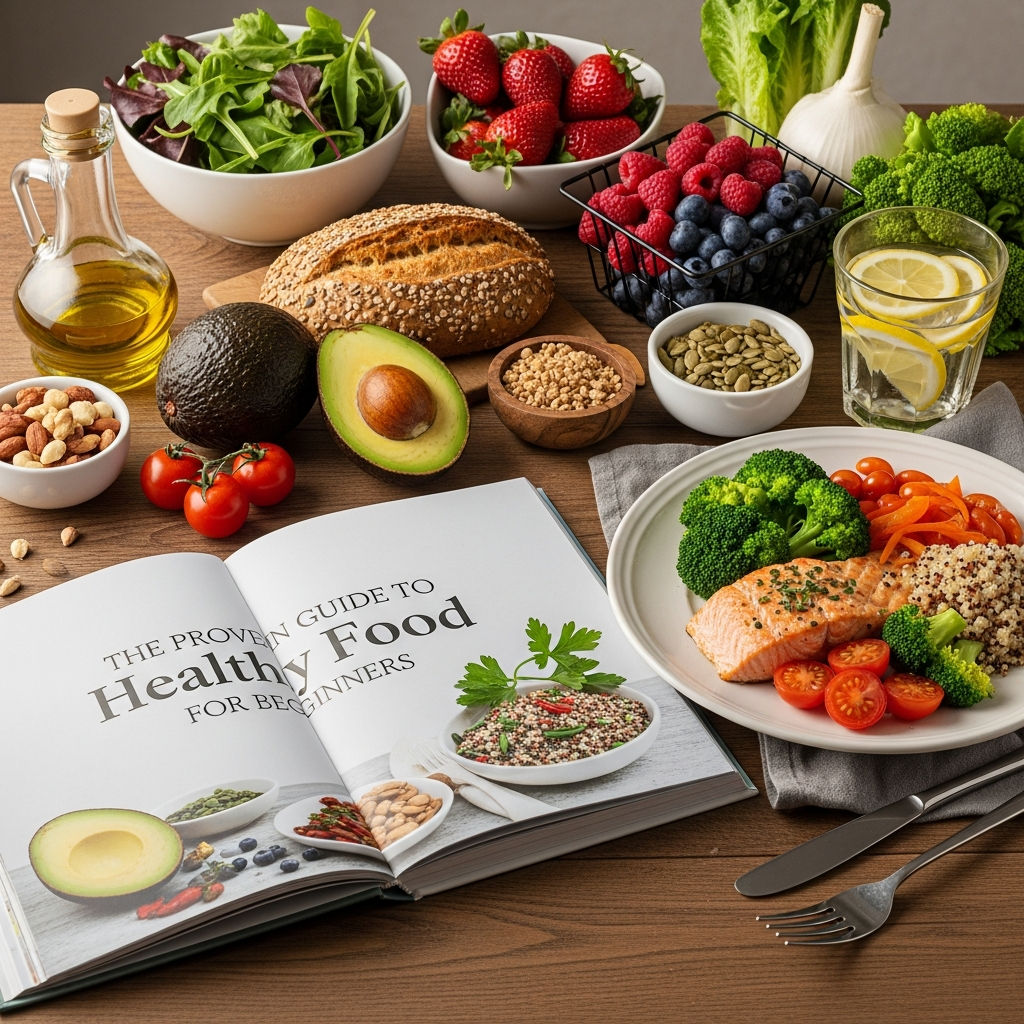
The Proven Guide to Healthy Food for Beginners: Start Your Journey Today
Starting a journey toward healthy eating often feels like navigating a minefield of conflicting information. One day, fats are the enemy; the next, carbs are the villain. For a beginner, this “diet culture” noise makes the simple act of eating feel incredibly complicated. However, the truth is that healthy food for beginners doesn’t have to be about restriction or complex calculations.
In this guide, we will strip away the fads and focus on the science-backed fundamentals of nutrition. You will learn how to build a balanced plate, identify nutrient-dense foods, and develop habits that last a lifetime rather than just a few weeks. Let’s dive into the essential roadmap for nourishing your body.
What Does “Healthy Eating” Actually Mean?
At its core, healthy eating is about providing your body with the nutrients it needs to function optimally while maintaining a balanced energy level. It is not about perfection; it is about consistency. Instead of viewing food as “good” or “bad,” it is more helpful to view it on a spectrum of nutrient density.
Nutrient-dense foods are those that provide a high amount of vitamins, minerals, and antioxidants relative to their calorie count. On the other hand, “empty calorie” foods provide energy (calories) but very little nutritional value. Your goal as a beginner is to gradually shift your diet so that the majority of your intake comes from the nutrient-dense side of the spectrum.
The Essential Building Blocks: Understanding Macronutrients
To master healthy food for beginners, you need to understand the three macronutrients that make up everything we eat. A balanced meal typically includes a combination of all three.
1. Protein: The Body’s Building Block
Protein is essential for repairing tissues, building muscle, and supporting immune function. It is also the most satiating macronutrient, meaning it helps you feel full for longer, which prevents overeating.
- Animal Sources: Chicken breast, turkey, eggs, Greek yogurt, and lean beef.
- Plant-Based Sources: Lentils, chickpeas, tofu, tempeh, and quinoa.
2. Healthy Fats: Brain and Hormone Support
For decades, fat was unfairly demonized. We now know that healthy fats are vital for brain health, hormone production, and the absorption of vitamins (A, D, E, and K). The key is choosing unsaturated fats over trans fats.
- Sources: Avocados, olive oil, walnuts, chia seeds, and fatty fish like salmon.
3. Complex Carbohydrates: Your Primary Energy Source
Carbohydrates are your body’s preferred fuel source. However, not all carbs are created equal. Beginners should focus on “complex” carbohydrates, which contain fiber. Fiber slows down digestion, providing a steady release of energy and keeping your gut healthy.
- Sources: Sweet potatoes, brown rice, oats, berries, and leafy greens.
Top 5 Food Groups to Prioritize
If you are overwhelmed at the grocery store, focus on these five categories. If your cart is filled with these, you are already 90% of the way toward a healthy diet.
- Leafy Greens and Cruciferous Vegetables: Spinach, kale, broccoli, and cauliflower are packed with micronutrients and fiber.
- Whole Grains: Moving away from white bread and white pasta toward farro, quinoa, and sprouted grain breads improves heart health and digestion.
- Lean Proteins: Prioritize unprocessed meats or high-quality plant proteins to maintain lean muscle mass.
- Berries and Low-Glycemic Fruits: Blueberries, strawberries, and apples provide antioxidants without causing massive blood sugar spikes.
- Nuts and Seeds: A handful of almonds or pumpkin seeds provides a perfect balance of protein and healthy fats.
The “Hidden Enemies”: Foods to Limit
While no food should be strictly “off-limits” (as this often leads to bingeing), certain foods can hinder your progress if consumed daily. For a beginner, the goal is reduction, not immediate elimination.

- Added Sugars: Found in sodas, flavored yogurts, and many “healthy” granola bars. Check labels for high fructose corn syrup or sucrose.
- Refined Oils: Highly processed vegetable oils (like soybean or corn oil) can be pro-inflammatory when consumed in large quantities.
- Ultra-Processed Snacks: Chips, crackers, and packaged baked goods often contain high levels of sodium and trans fats designed to be “hyper-palatable,” making them easy to overeat.
5 Practical Steps to Start Eating Healthy Today
Knowing what to eat is one thing; actually doing it is another. Follow these actionable steps to bridge the gap between knowledge and habit.
1. Use the “Plate Method”
You don’t need a kitchen scale to start. Visually divide your plate: Fill half with non-starchy vegetables, one-quarter with lean protein, and one-quarter with complex carbohydrates. Add a thumb-sized portion of healthy fats.
2. Shop the Perimeter of the Grocery Store
Most grocery stores are laid out similarly: the fresh produce, meat counter, and dairy are located on the outer edges. The inner aisles usually contain the heavily processed, shelf-stable items. Spend 80% of your time on the perimeter.
3. Master the Art of “Simple Swaps”
Don’t try to overhaul your entire menu in 24 hours. Start with swaps:
- Swap white rice for cauliflower rice or quinoa.
- Swap soda for sparkling water with a squeeze of lime.
- Swap sour cream for plain Greek yogurt.
- Swap deep-frying for air-frying or roasting.
4. Hydrate Before You Eat
Thirst is often mistaken for hunger. Drinking a glass of water 20 minutes before a meal helps with digestion and prevents you from eating out of dehydration.
5. Practice Mindful Eating
In our busy world, we often eat while watching TV or scrolling through phones. This disconnects our brain from our stomach’s fullness signals. Try to eat without distractions and chew your food thoroughly. It takes about 20 minutes for your brain to register that you are full.
Common Myths About Healthy Food
As you begin, you will likely encounter these common misconceptions. Let’s clear them up:
- “Healthy food is too expensive:” While some “superfoods” are pricey, staples like dried beans, oats, frozen vegetables, and eggs are some of the cheapest items in the store.
- “Frozen vegetables aren’t as good as fresh:” False. Frozen vegetables are usually picked at peak ripeness and flash-frozen, locking in nutrients. They are often more nutritious than “fresh” produce that has sat in a truck for a week.
- “You have to eat 6 small meals a day:” Meal frequency is a personal preference. What matters most is the total quality and quantity of food consumed throughout the day, not how many times you sit down to eat.
Conclusion: The 80/20 Rule for Long-Term Success
The most important piece of advice for any beginner is to embrace the 80/20 rule. Aim to eat whole, nutrient-dense foods 80% of the time, and allow yourself the flexibility to enjoy your favorite treats for the remaining 20%.
Healthy eating is a marathon, not a sprint. If you have a day where you eat nothing but pizza and wings, don’t throw in the towel. Simply make your next meal a healthy one. By focusing on adding good foods rather than just subtracting “bad” ones, you will create a sustainable lifestyle that supports your health, energy, and happiness for years to come.
“`

