“`html
Is Health News Still Relevant? Navigating the Digital Information Age
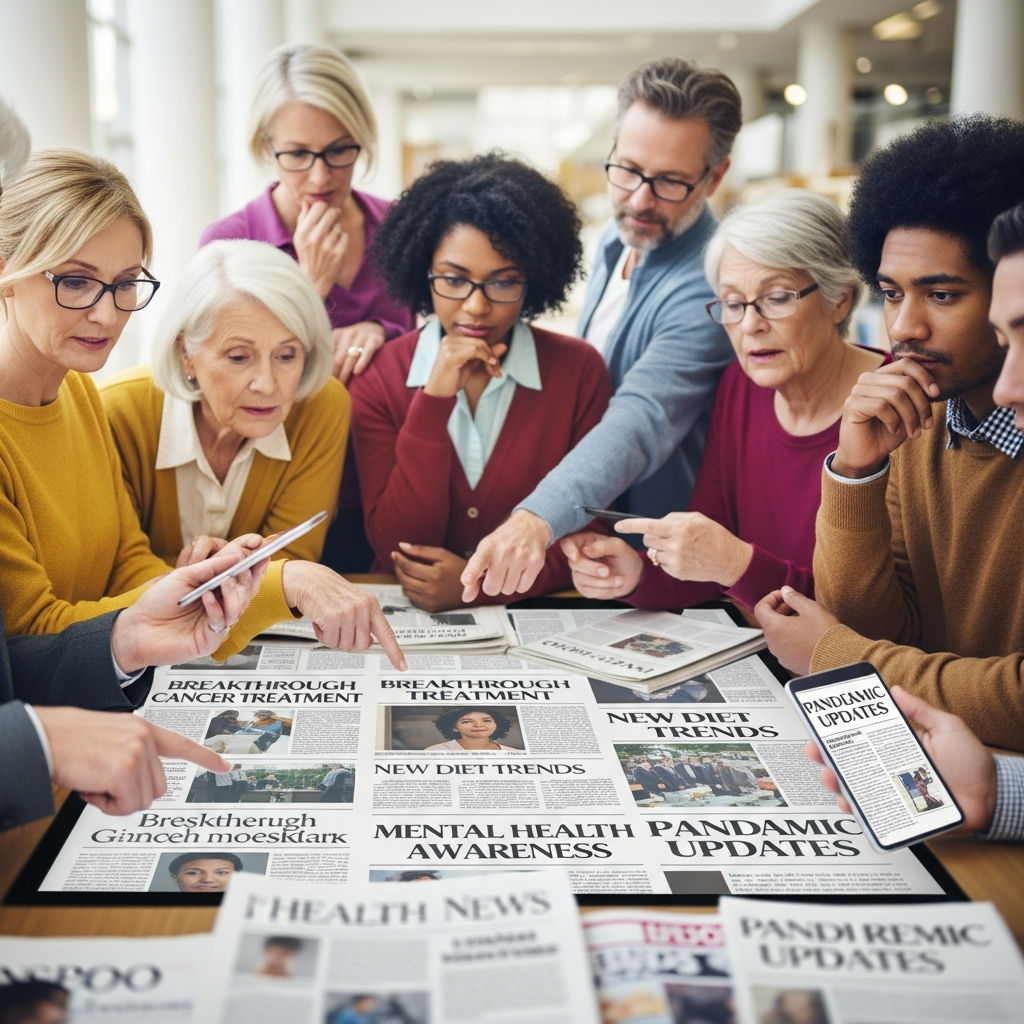
In an era where social media influencers often have more followers than medical journals, many people are asking: Is health news still relevant? With the rise of “infodemics,” misinformation, and a constant stream of wellness trends, the traditional landscape of health journalism is facing a crisis of credibility. However, the need for accurate, evidence-based reporting has never been more critical.
Health news serves as the bridge between complex scientific discovery and the general public. While the way we consume information has shifted from morning newspapers to TikTok snippets, the core value of health journalism—to inform, protect, and empower—remains a pillar of modern society. Below, we explore 14 facts that prove health news is not only relevant but essential for our survival and well-being in the 21st century.
1. Health News Drives Informed Decision-Making
One of the primary reasons health news remains relevant is its role in individual decision-making. Whether it is a report on the side effects of a common medication or a breakthrough in heart disease prevention, health news provides the raw data individuals need to make choices about their bodies. Without these updates, patients would rely solely on their doctors, missing out on the opportunity for shared decision-making.
2. It Acts as a Filter for Misinformation
We live in a world where “fake news” can go viral in minutes. Reputable health news outlets employ medical experts and seasoned journalists to vet claims. By debunking dangerous TikTok challenges or unverified “miracle cures,” health news acts as a vital filter that separates scientific fact from profitable fiction.
3. Public Health Surveillance and Early Warning
The COVID-19 pandemic highlighted the life-saving role of health news as a surveillance tool. Health reporting provides early warnings about disease outbreaks, food recalls, and environmental hazards. This real-time information allows the public to take immediate precautions, such as masking, avoiding certain products, or seeking vaccinations.
4. Democratization of Medical Knowledge
In the past, medical knowledge was gatekept by academic institutions and hospitals. Today, health news democratizes this information. Complex studies from journals like The Lancet or NEJM are translated into plain language, allowing someone without a medical degree to understand the latest developments in oncology, neurology, or immunology.
5. Accountability for Big Pharma and Healthcare Systems
Health journalism plays a crucial role in investigative reporting. It holds pharmaceutical companies and healthcare providers accountable. Whether it is exposing the opioid crisis or highlighting the rising costs of insulin, health news shines a light on systemic issues that would otherwise remain hidden from the public eye.
6. Normalizing Mental Health Conversations
The relevance of health news is evident in the shift in how society views mental health. Consistent reporting on anxiety, depression, and neurodivergence has helped break down centuries-old stigmas. By treating mental health news with the same urgency as physical health news, journalists have paved the way for more people to seek help without shame.
7. Updates on Life-Saving Medical Technology
From AI-driven diagnostics to CRISPR gene editing, medical technology is moving at a breakneck pace. Health news keeps the public informed about these advancements. This is particularly relevant for patients with chronic or “untreatable” conditions who may find new hope through news of clinical trials or FDA-approved technologies.
8. Global Interconnectivity and Health Trends
In a globalized world, a health crisis in one corner of the globe can reach the other side in days. Health news provides a global perspective, helping us understand how climate change, migration, and international trade affect our personal health. It reminds us that public health is a collective, global responsibility.
9. Guidance on Nutrition and Lifestyle
Nutrition science is notoriously fickle, with “superfoods” coming and going. Relevant health news synthesizes long-term studies to provide stable guidance on diet and exercise. It helps consumers navigate the difference between a fad diet and a sustainable lifestyle change backed by longitudinal research.
10. Impact on Legislation and Public Policy
Lawmakers often react to public sentiment, and public sentiment is shaped by health news. Reporting on the dangers of vaping, for example, has led to stricter regulations and age limits. When health news highlights a gap in the system, it often serves as the catalyst for legislative change that improves health outcomes for millions.
11. Personalized Medicine and Genomics
As we move toward “personalized medicine,” health news helps the public understand how their DNA influences their health. News regarding genetic testing, pharmacogenomics, and tailored cancer therapies is essential for patients who are increasingly taking a “DIY” approach to understanding their biological risks.
12. Combatting the “Loneliness Epidemic”
Recent health news has focused heavily on the physiological impacts of social isolation. By reporting on loneliness as a clinical health risk—comparable to smoking 15 cigarettes a day—health journalism has forced a conversation on the importance of community and social infrastructure in modern urban planning.
13. Longevity Science and Aging
The “Biohacking” movement and longevity science are currently trending. Health news provides the necessary skepticism to these trends, distinguishing between evidence-based anti-aging strategies (like exercise and sleep) and unproven, expensive supplements that promise eternal youth.
14. Empowering the Patient Voice
Finally, health news is relevant because it empowers the patient. Through “human interest” stories and patient-led advocacy reports, news outlets give a voice to those living with rare diseases. This visibility often leads to increased funding for research and better support networks for families in similar situations.
The Future of Health News Consumption
While the relevance of health news is undeniable, the way we consume it must evolve. To stay informed without becoming overwhelmed, experts suggest the following strategies:
- Check the Source: Always verify if the news is coming from a reputable outlet that cites peer-reviewed journals.
- Look for Consensus: One single study rarely changes medical practice. Look for news that discusses a “body of evidence.”
- Beware of Hyperbole: Avoid articles with clickbait headlines like “Cure for Cancer Found” or “Stop Eating This One Thing Immediately.”
- Consult Professionals: Use health news as a conversation starter with your doctor, not as a replacement for professional medical advice.
Conclusion
Is health news still relevant? Absolutely. In fact, in an age of information overload, it is more relevant than ever. It serves as our compass in a complex medical landscape, protecting us from scams, informing our daily habits, and holding powerful institutions to account. By remaining critical consumers of health journalism, we can leverage this information to live longer, healthier, and more informed lives.
The challenge is not the lack of relevance, but the abundance of noise. As long as we prioritize evidence-based reporting over viral sensationalism, health news will continue to be an indispensable tool for individual and public well-being.
“`

